BTCBTC$82,997-2.16%|
ETHETH$2,664.14-1.59%|
USDTUSDT$0.99966-0.01%|
BNBBNB$762.6400-2.11%|
XRPXRP$1.4900-2.76%|
USDCUSDC$0.99981-0.01%|
SOLSOL$118.5900-4.20%|
TRXTRX$0.33401-0.06%|
ZECZEC$1,565.79-5.86%|
FIGR_HELOCFIGR_HELOC$1.0580+0.00%|
HYPEHYPE$90.3900-2.83%|
DOGEDOGE$0.09321-4.66%|
LINKLINK$14.0400-1.79%|
XMRXMR$530.0000-4.31%|
WBTWBT$83.0300-1.87%|
USDSUSDS$0.99936-0.04%|
ADAADA$0.24556-4.25%|
RAINRAIN$0.01254-0.99%|
LEOLEO$9.0600-0.11%|
XLMXLM$0.21301-2.12%|
NEARNEAR$5.0900-1.49%|
BCHBCH$310.4800-8.32%|
LTCLTC$71.7200+0.16%|
UNIUNI$8.9600-10.17%|
CCCC$0.13195-3.60%|
HBARHBAR$0.11642+22.90%|
AVAXAVAX$10.5600-3.69%|
USDEUSDE$0.99975-0.00%|
SUISUI$1.1900-4.59%|
GRAMGRAM$1.6600+1.95%|
BTCBTC$82,997-2.16%|
ETHETH$2,664.14-1.59%|
USDTUSDT$0.99966-0.01%|
BNBBNB$762.6400-2.11%|
XRPXRP$1.4900-2.76%|
USDCUSDC$0.99981-0.01%|
SOLSOL$118.5900-4.20%|
TRXTRX$0.33401-0.06%|
ZECZEC$1,565.79-5.86%|
FIGR_HELOCFIGR_HELOC$1.0580+0.00%|
HYPEHYPE$90.3900-2.83%|
DOGEDOGE$0.09321-4.66%|
LINKLINK$14.0400-1.79%|
XMRXMR$530.0000-4.31%|
WBTWBT$83.0300-1.87%|
USDSUSDS$0.99936-0.04%|
ADAADA$0.24556-4.25%|
RAINRAIN$0.01254-0.99%|
LEOLEO$9.0600-0.11%|
XLMXLM$0.21301-2.12%|
NEARNEAR$5.0900-1.49%|
BCHBCH$310.4800-8.32%|
LTCLTC$71.7200+0.16%|
UNIUNI$8.9600-10.17%|
CCCC$0.13195-3.60%|
HBARHBAR$0.11642+22.90%|
AVAXAVAX$10.5600-3.69%|
USDEUSDE$0.99975-0.00%|
SUISUI$1.1900-4.59%|
GRAMGRAM$1.6600+1.95%|
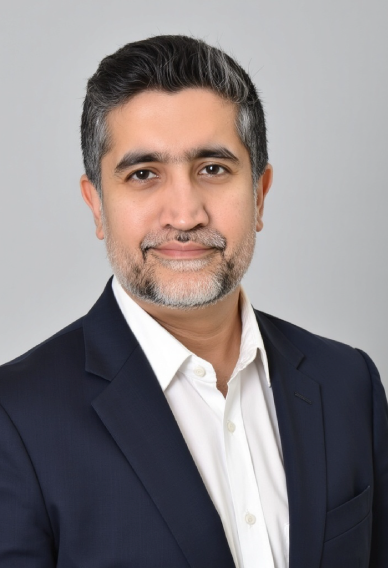
Rohit Bachani

Rohit Bachani

Featured
Co-FounderMerlin Real EstateMerlin Real Estate
United Arab Emirates August 3, 2026 15 min readBy Bitnxt Editorial Team

A conversation with Rohit Bachani, Co-Founder of Merlin Real Estate, on how blockchain is reshaping luxury real estate advisory, tokenization strategy, and the bridge between digital assets and tangible wealth in the Middle East.

RWAReal EstateTokenizationFounders
DubaiTokenizationReal EstateRWABlockchainPropertyUAE

Biography

Rohit Bachani is a Dubai-born entrepreneur with a unique vantage point on one of crypto's most important real-world asset (RWA) opportunities: property. As co-founder of Merlin Real Estate and part of the family-led Merlin Group (25+ years in Dubai), he has spent the last 18 months advising crypto-wealthy investors on moving significant capital into regulated real estate tokenization. His background spans technology, consumer products, and now the bridge between digital assets and tangible wealth.

This interview explores why crypto investors are waking up to real-world assets in Dubai, the practical mechanics of on-chain property tokenization through UAE regulators, how Merlin advises digital-wealth clients on property selection and exit strategy, and what it takes to scale a regulated RWA business in 2026.

This interview does not constitute investment, legal, or financial advice.

Interview Summary

A conversation with Rohit Bachani, Co-Founder of Merlin Real Estate, on how blockchain is reshaping luxury real estate advisory, tokenization strategy, and the bridge between digital assets and tangible wealth in the Middle East.

1

About You: Your Crypto Journey Isn't a Price Chart

Q1.Walk us through your crypto origin story. What was the moment or problem that pulled you into this space?

I did not come into crypto as a trader or a speculation enthusiast. I came into it as someone who had spent most of his working life around technology and consumer products, and then moved deeper into real estate. What caught my attention was not price speculation or portfolio returns—it was a structural problem: how do you make property ownership, settlement, and record-keeping more efficient?

When Dubai began building a regulated path for real-estate tokenisation in 2024-2025, the connection became very real for me. Here was blockchain being applied to an asset people already understood and valued: property. Not a meme coin. Not a new DeFi protocol. Property. That's when I recognized crypto as a genuine tool.

Q2.Most people in crypto stumbled in by accident. What's yours?

My 'accident' was spending years in two industries that look completely different but have the same core problem. Technology moves quickly and creates new possibilities, but real estate is slow, valuable, and document-heavy. That gap—between what's possible with technology and what's actually practiced in real estate—is where I got pulled in. Not by price charts or hype. By a practical question: how do we make property settlement and ownership verification faster and more transparent?

I've watched enough business cycles to know that the real opportunities sit at the intersection of an old industry (real estate) and a new tool (blockchain). The catch is that most people try to disrupt without respecting the fundamentals. They add a token to a weak property and hope blockchain fixes it. It doesn't. My job is to translate what blockchain actually solves—transparent records, programmable transfers, verifiable ownership—without pretending it changes property valuations or location fundamentals.

Q3.If you had to explain your role at a dinner party without jargon, how would you describe it?

I help people make a very important decision with more clarity.

Sometimes that means finding the right home in Dubai. Sometimes it means helping a crypto investor understand whether a specific community fits their long-term strategy, what developer execution looks like, what rental demand is actually doing, and what an intelligent exit might look like in five years.

On the technology side, my role is to translate new ideas—tokenisation, on-chain settlement, fractional ownership—into plain language and separate what is genuinely useful from what is only fashionable or designed to create FOMO.

Q4.What's changed most about you since entering the crypto and RWA space?

I've become more interested in systems than single products. A token by itself is not the innovation. The legal rights behind it, the quality of the asset, the custody arrangement, the on-chain linking to off-chain title, the compliance process, and the buyer experience all have to work together as a system. Crypto has made me more curious about how those pieces connect, but it's also made me far more cautious about easy claims.

I now ask harder questions before endorsing anything. Is the property actually good? Is the token legally binding? Who is the custodian? What happens if Dubai's regulations change? What is the secondary-market liquidity actually like, not just theoretically? Those are boring questions, but they separate real RWA opportunities from products that are just trying to ride the crypto wave.

Q5.What achievement are you genuinely proud of that most people don't know about?

I'm proud that we began very young, with limited personal savings, and kept building through different market cycles—the 2008 financial crisis, the Dubai property downturn, the COVID pandemic, the crypto collapse of 2022, and now the resurgence. The visible part is the brand or a property transaction. The less visible part is the trust built over decades with family, colleagues, customers, and partners.

Moving from assembling computers as teenagers to creating a wider business ecosystem in Dubai—and now advising on one of the most complex intersections (crypto + real estate)—didn't happen through one big breakthrough. It happened through consistency. Showing up. Listening. Keeping our commitments. That compounds in ways that a lucky trade never does.

2

Merlin Real Estate: The Bridge Between Digital Wealth and Tangible Assets

Q1.Tell us about Merlin Real Estate. Start with the problem you're solving, not the product.

The problem is not a shortage of property listings. Dubai's market has thousands of options for anyone with capital. The real problem is decision quality under complexity.

A typical client—and increasingly, these are crypto-wealthy clients—needs to know:

  • Whether a specific project and community actually suit their long-term strategy
  • Whether the developer has the track record to execute
  • How the area will likely evolve (gentrification, flight, regulatory changes)
  • What the real total cost of ownership is (not just the purchase price)
  • How they might intelligently exit in 5-10 years
  • Whether tokenization makes sense for their specific situation (spoiler: it doesn't always)

Merlin exists to reduce that confusion. We advise across buying, selling, renting, property management, and interior solutions—but our real business is reducing client risk and building long-term relationships, not just closing one transaction.

Lately, we're seeing a specific shift in our client base: crypto investors who have 1-5 million in digital assets and want to allocate 10-30% into real property. These clients are smart, they understand risk, but they're navigating two complex worlds at once. Property market knowledge + crypto tax implications + UAE regulations + on-chain mechanics. That's where we add real value.

Q2.What's the one thing most people misunderstand about what you do?

People sometimes think a real-estate adviser is simply a person who opens a door and closes a deal. The real work happens before and after that moment: listening carefully, filtering out unsuitable options, checking details that matter, managing expectations ruthlessly, and staying present after the transaction closes.

With crypto-linked wealth or tokenised assets, that responsibility becomes even greater because the client is navigating two complex worlds at once. A mistake in either domain is expensive. A crypto investor who gets the property right but pays the wrong tax structure loses hundreds of thousands. A real estate investor who picks a good property but gets scammed in custody loses everything. We're here to help them avoid both.

Q3.If your biggest competitor disappeared tomorrow, would your business still matter? Why?

Absolutely. Our reason for existing is not to beat another brokerage. It is to help a client make a sound property decision and protect a relationship that may last for years or decades. Dubai's market will continue to grow, technology will keep changing, and people will still need judgment they can trust—especially when transferring serious wealth.

Competition keeps everyone sharp, but it's not the source of our relevance.

Q4.Paint a picture: What does success look like for Merlin in three years?

Success would mean that informed clients see Merlin as a trusted bridge between established Dubai real estate and the next generation of investment infrastructure. We would deepen our advisory and property-management capabilities, serve more international investors (especially crypto-wealthy investors from Europe, Asia, and North America), and participate responsibly in tokenised-property opportunities through approved, regulated channels.

The measure of success is not how much noise we make. It's how many clients come back, refer their families and friends, and feel that the advice held up over a complete market cycle. It's clients saying, 'Three years ago, Rohit told me X about this location, and he was right.'

Q5.Who's your ideal customer right now, and why are they hard to reach?

Our ideal customer values clarity more than hype. It might be:

  • A family buying a genuine home in Dubai (not a speculation play)
  • An overseas institutional investor building exposure to UAE real estate
  • A digital-asset holder with $2-10M in crypto who wants to move 10-30% into tangible assets

They're hard to reach because they're surrounded by aggressive marketing and conflicting promises. Earning their attention requires patience, genuinely useful information, and proof that we'll still be available after the sale. We're the opposite of a high-pressure brokerage.

3

The Crypto-to-Property Bridge: How Tokenized Real Estate Actually Works

Q1.Let's get specific. A Bitnxt reader has $500K in USDT sitting on Binance. They're curious about converting 20% into Dubai real estate. Walk them through what that actually looks like operationally, and what role tokenization plays.

Okay. Here's the practical flow:

Step 1: Identify the target property and structure.
Our team helps them identify 2-3 properties that fit their timeline, location preferences, and budget (in this case, $100K AED equivalent, or roughly 3-4 million AED). We run due diligence: developer track record, location fundamentals, rental demand, exit scenarios.

Step 2: Convert stablecoin to fiat (or use regulated on-ramps).
They convert USDT to USD or AED. This used to be painful. But now, banks like Emirates NBD and FAB have direct on-ramps from Binance and Kraken. It takes 1-3 days. That $100K arrives in their UAE corporate bank account (we typically recommend a corporate structure for tax efficiency).

Step 3: Make the offer and navigate due diligence.
We negotiate on their behalf, handle inspections, check the title with Dubai Land Department, and verify the developer's licensing. This takes 1-2 weeks.

Step 4: Settlement and registration.
They transfer funds to an escrow account, title transfers to their name (or their corporate entity), and Dubai Land Department registers the property. Total time: 3-4 weeks.

Step 5: Tokenization (optional, and increasingly valuable).
If they want exposure to secondary-market liquidity (and if the property qualifies under Dubai's pilot), they can tokenize. Here's what that means: a regulated platform like PRYPCO (launched by Dubai Land Department in May 2025) creates an on-chain token that represents fractional ownership or full property rights. The investor retains the asset on Dubai's registry, but now has a digital token they can use as collateral, trade in controlled secondary markets, or use for inheritance/corporate transfers.

Is tokenization mandatory? No. Is it valuable? For certain investors and strategies, yes. It lets them use the property as collateral for loans without selling, gives them more liquid exit optionality, and simplifies cross-border transfers.


Q2.What misconceptions do crypto investors have about real estate tokenization?

The biggest one: that tokenization automatically makes an illiquid asset liquid.

It does not.

Technology can make ownership units easier to issue and transfer. But genuine liquidity requires buyers, market makers, fair pricing discovery, reliable data, and clear legal rights. Dubai's approach is deliberate because it's testing the secondary market and investor protections instead of pretending liquidity appears the moment an asset goes on-chain.

If you tokenize a property but there are no buyers in the secondary market, your token is as illiquid as the underlying real estate—just with more complexity.

So crypto investors should ask: 'Why does tokenization actually help my strategy?' The honest answer, for most people, is: 'It doesn't yet.' The secondary markets are still very small. Liquidity is still speculative. What does help is owning a good property in a good location, earning rental income, and having optionality later if regulated secondary markets develop.

Q3.What's the tax story for crypto investors converting to property in Dubai?

Dubai has zero income tax, zero property tax, and zero capital gains tax. That's the headline.

The catch: you still need to be tax-compliant in your home country. If you're a US citizen converting USDT to AED and buying property, you owe US capital gains tax on the USDT → AED conversion (depending on your cost basis). If you're a UK resident, you owe UK capital gains tax. And so on.

What Dubai gives you is: no additional tax layer. The property appreciation, the rental income, and any secondary-market gains are tax-free in Dubai. Your home jurisdiction is a separate question.

We work with crypto tax specialists and international accountants to help clients structure this correctly. It's not something to wing.

4

Industry Trends: What's Actually Happening in Crypto x Real Estate

Q1.What trend are most people wrong about right now?

Many people assume tokenization automatically makes an illiquid asset liquid. We've covered that. But there's a deeper misconception: people think that just because something is on a blockchain, it's more trustworthy.

Wrong. A blockchain records transactions accurately and immutably. But the transaction itself might link a flawed property claim to a smart contract that has a bug. Or it might be recording a token that has no legal backing. Or the platform that issued the token goes offline and nobody can verify ownership anymore.

Trust comes from: proper legal documentation, regulated custody, licensed operators, insurance, and clear recourse in case of disputes. Blockchain can support all of that—but it doesn't create it automatically.

Q2.Which sector is overhyped, and which is underrated?

Overhyped: Tokens that attach themselves to every new trend without a real economic purpose. 'AI tokens.' 'RWA tokens.' 'DeFi tokenized property plays.' Most of these are just re-packaging existing assets in a way that's more complicated, not more useful.

Underrated: The boring infrastructure that sits underneath regulated RWA: standardized token formats that carry clear legal rights, regulated stablecoin settlement rails, privacy-preserving compliance checks, interoperable digital identity, and reliable asset valuation data.

The strongest opportunities will look boring compared with a meme coin. But boring infrastructure is what allows serious capital—pension funds, family offices, institutions—to participate.

Q3.What does crypto need to stop doing to reach mainstream adoption?

It needs to stop asking ordinary users to become security engineers.
Seed phrases, complex fee structures, bridge risk, and irreversible errors may be acceptable to early adopters and tech-savvy traders. They are not acceptable to a mainstream customer who just wants to own real estate and receive rental income.

The industry also needs to stop treating regulation as an enemy by default. When a digital token represents real property or real cash flows, people need clear recourse and enforceable legal rights. That requires regulators. That's not a bad thing—it's a feature.

Q4.If you could solve one structural problem in the industry, what would it be?

I would solve the legal and operational gap between the token and the underlying asset.

An investor should be able to understand, in one clear view:

  • What they own (full property? fractional? income rights? voting rights?)
  • Which cash flows they're entitled to
  • Who holds the title
  • How the asset is valued and updated
  • What happens in a legal dispute or regulatory change
  • How and when they can exit

Until that connection is standardized and legally bulletproof, tokenization will remain harder to trust than it needs to be. Right now, you're often bridging manual processes with smart contracts. That's not a real solution—it's a patch.

5

Products and Strategy: What Merlin is Building

Q1.What are you building now that excites you most?

What excites me is creating a more intelligent advisory journey for investors who live across both digital and traditional finance.

That means helping a crypto investor move from 'I'm curious about Dubai property' to 'I own a specific property, understand the income, know the risks, and have a clear exit plan'—with better data, cleaner documentation, and where the rules permit, access to regulated tokenization or crypto-to-fiat settlement partners.

I'm interested in making the journey understandable. The technology should sit quietly underneath the service. A client should feel like they're working with a property adviser who happens to understand crypto, not a crypto platform that happens to list some real estate.

Q2.Tell us about a product decision you made that surprised people.

The most important decision is often not to lead with the newest technology.

If a client comes to us looking for a home or an investment, we start with the property and the client's objective—not with blockchain. Tokenization is valuable only when it improves access, administration, or liquidity. Making the technology secondary can surprise crypto natives, but it keeps the customer and the asset at the centre, which is where they should be.

Q3.What customer feedback completely changed your roadmap?

The recurring message from both property and crypto clients is: 'I don't need more listings. I need a clearer recommendation.'

They want someone to explain why Palm Jumeirah fits their strategy better than Emirates Hills, what can actually go wrong with a specific developer, what rental demand looks like over a full cycle, and what an intelligent exit might look like in 5-10 years.

That has pushed us toward deeper advisory, ongoing market education, and post-purchase support. It also shapes how we think about tokenization: simplicity and service matter more than technical vocabulary. If a feature doesn't reduce confusion for the client, we don't build it.

Q4.How do you decide what not to build?

We ask three questions:

  1. Does it solve a real client problem?
  2. Can it operate within the relevant property and virtual-asset regulations?
  3. Can we support it properly after launch?

If the answer to any one of those is no, we wait. A feature that creates headlines but leaves the customer exposed is not innovation. It's liability.

Q5.What's your most contrarian opinion on the future?

The winners in crypto and RWA may be the businesses that talk about crypto the least.

When blockchain is working well, the customer may simply see: faster settlement, smaller investment units, better records, more transparent reporting. The technology will become infrastructure. The value will be in the experience and the rights it delivers—not in repeatedly reminding the user that something is 'on-chain.'

Think about email. Nobody talks about SMTP or POP3 anymore. They just send emails. That's where crypto infrastructure needs to go.

6

Looking Forward: The Message for the Bitnxt Community

Q1.What does the crypto industry need to hear but doesn't want to?

Putting a weak asset on a blockchain does not improve the asset.

A token cannot fix poor location, unrealistic valuation, weak demand, or bad management. It can make ownership and transfer more efficient, but investors still need old-fashioned due diligence. Technology should improve judgment, not replace it.

Q2.What's your message for the Bitnxt community specifically?

Stay curious, but verify everything. Learn how new systems work, then ask what rights and risks sit underneath them. If you're exploring real-world assets, study the real world as seriously as the token.

The strongest opportunities are usually where technology solves a genuine problem and the customer can explain the value without jargon.

Real estate tokenization is one of those genuine problems. It's not the most exciting thing you'll read about this week. But it might be the most valuable.

Q3.Anything you want to explore next?

I want to explore a cleaner end-to-end journey between digital wealth and quality real estate. That includes:

  • Compliant conversion pathways (USDT → AED → property)
  • Better property selection frameworks
  • Transparent ownership structures
  • Long-term servicing and income distribution

The goal is not to force every buyer on-chain. It's to give suitable investors a safe, clear option when digital rails genuinely improve the experience.

Key Takeaways

  • Tokenization does not automatically make an illiquid asset liquid — genuine liquidity requires buyers, market makers, and clear legal rights
  • Dubai offers zero income, property, and capital gains tax, but investors must still comply with their home country's tax obligations
  • The real problem in Dubai real estate is decision quality under complexity, not a shortage of listings
  • Blockchain should sit quietly underneath the service — clients want a property adviser who understands crypto, not a crypto platform listing real estate
  • The strongest RWA opportunities look boring: standardized token formats, regulated settlement rails, and reliable valuation data
  • Trust comes from legal documentation, regulated custody, and licensed operators — not from the blockchain itself

Advice for Beginners

Stay curious, but verify everything. Learn how new systems work, then ask what rights and risks sit underneath them. If you're exploring real-world assets, study the real world as seriously as the token.

The strongest opportunities are usually where technology solves a genuine problem and the customer can explain the value without jargon. Real estate tokenization is one of those genuine problems. It's not the most exciting thing you'll read about this week. But it might be the most valuable.

The Future of Crypto

The winners in crypto and RWA may be the businesses that talk about crypto the least. When blockchain is working well, the customer may simply see: faster settlement, smaller investment units, better records, more transparent reporting. The technology will become infrastructure. The value will be in the experience and the rights it delivers—not in repeatedly reminding the user that something is 'on-chain.'

Think about email. Nobody talks about SMTP or POP3 anymore. They just send emails. That's where crypto infrastructure needs to go.

Biggest Opportunities

The boring infrastructure that sits underneath regulated RWA: standardized token formats that carry clear legal rights, regulated stablecoin settlement rails, privacy-preserving compliance checks, interoperable digital identity, and reliable asset valuation data. The strongest opportunities will look boring compared with a meme coin. But boring infrastructure is what allows serious capital—pension funds, family offices, institutions—to participate.

Biggest Challenges

The legal and operational gap between the token and the underlying asset. An investor should be able to understand, in one clear view: what they own, which cash flows they're entitled to, who holds the title, how the asset is valued, what happens in a legal dispute, and how and when they can exit. Until that connection is standardized and legally bulletproof, tokenization will remain harder to trust than it needs to be.

Rapid Fire Round

Q

Bitcoin or Ethereum, and why?

For real-world asset applications, Ethereum, because programmability and a wider development ecosystem matter. But Bitcoin has a different and important role as a scarce digital asset. They solve different problems.

Q

Build or trade?

Build. It's slower and less glamorous, but it's where I'm most comfortable. A trade can be exciting for a moment. A business compounds over time.

Q

DeFi or CeFi: where's the future?

In the meeting point between them: on-chain efficiency with regulated access, proper custody, and accountable service providers. Pure DeFi and pure CeFi both have limits. The future is a hybrid.

Q

Layer 1 or Layer 2?

Layer 2 for consumer applications. Cost and ease of use matter more to most customers than technical purity.

Q

Long-term investor or thrill-seeking trader?

Long-term investor. I prefer assets and businesses I can understand through a full cycle.

Q

Optimist or realist about crypto's future?

A practical optimist. The potential is large, but adoption has to be earned, not assumed.

Q

Your go-to tool for staying sane while building?

Cricket, family time, and a little mindfulness. A founder needs something that takes the mind away from the next notification.

Q

One word to describe crypto's future?

Useful.

Favorite Crypto Projects

EthereumBitcoinPRYPCODubai Land Department Tokenization
By Bitnxt Editorial TeamLast updated Aug 3, 2026

Want to be featured on Bitnxt?

Share your crypto journey, startup, product, investment insights, trading strategies, or blockchain innovation with thousands of readers worldwide.

  • Increase brand visibility
  • Build authority & credibility
  • Improve SEO with a permanent interview page
  • Reach crypto investors
  • Connect with potential partners
  • Showcase your products & innovations
  • Share your founder's vision
  • Reach media & journalists
  • Attract new customers
  • Grow your community
  • Build your personal brand
  • Gain long-term organic exposure














