
















BTCBTC$82,076+1.08%|
ETHETH$2,451.23+3.48%|
USDTUSDT$0.99924+0.02%|
BNB$729.9600+1.09%|
XRPXRP$1.3400+1.74%|
USDCUSDC$0.99981+0.02%|
SOLSOL$106.5900+3.60%|
TRXTRX$0.33509+1.17%|
FIGR_HELOCFIGR_HELOC$1.0310+0.00%|
ZECZEC$1,228.05+11.60%|
HYPEHYPE$81.4900+2.13%|
DOGEDOGE$0.08226+2.73%|
XMRXMR$564.1700+4.06%|
USDSUSDS$0.99999+0.02%|
LINKLINK$12.6100+4.24%|
WBTWBT$80.6700+1.60%|
ADAADA$0.23122+4.01%|
LEOLEO$9.0400+0.09%|
NEARNEAR$5.2200+12.36%|
RAIN$0.00927696+7.91%|
XLMXLM$0.18382+1.81%|
BCHBCH$282.2200+6.94%|
LTCLTC$61.0400+4.33%|
USDEUSDE$0.99954+0.02%|
UNIUNI$7.4600+7.43%|
AVAXAVAX$10.2400+6.68%|
DAIDAI$1.0000+0.01%|
SUISUI$1.0430+4.97%|
CCCC$0.10473-1.66%|
USD1USD1$0.99943+0.02%|
BTCBTC$82,076+1.08%|
ETHETH$2,451.23+3.48%|
USDTUSDT$0.99924+0.02%|
BNBBNB$729.9600+1.09%|
XRPXRP$1.3400+1.74%|
USDCUSDC$0.99981+0.02%|
SOLSOL$106.5900+3.60%|
TRXTRX$0.33509+1.17%|
FIGR_HELOCFIGR_HELOC$1.0310+0.00%|
ZECZEC$1,228.05+11.60%|
HYPEHYPE$81.4900+2.13%|
DOGEDOGE$0.08226+2.73%|
XMRXMR$564.1700+4.06%|
USDSUSDS$0.99999+0.02%|
LINKLINK$12.6100+4.24%|
WBTWBT$80.6700+1.60%|
ADAADA$0.23122+4.01%|
LEOLEO$9.0400+0.09%|
NEARNEAR$5.2200+12.36%|
RAINRAIN$0.00927696+7.91%|
XLMXLM$0.18382+1.81%|
BCHBCH$282.2200+6.94%|
LTCLTC$61.0400+4.33%|
USDEUSDE$0.99954+0.02%|
UNIUNI$7.4600+7.43%|
AVAXAVAX$10.2400+6.68%|
DAIDAI$1.0000+0.01%|
SUISUI$1.0430+4.97%|
CCCC$0.10473-1.66%|
USD1USD1$0.99943+0.02%|
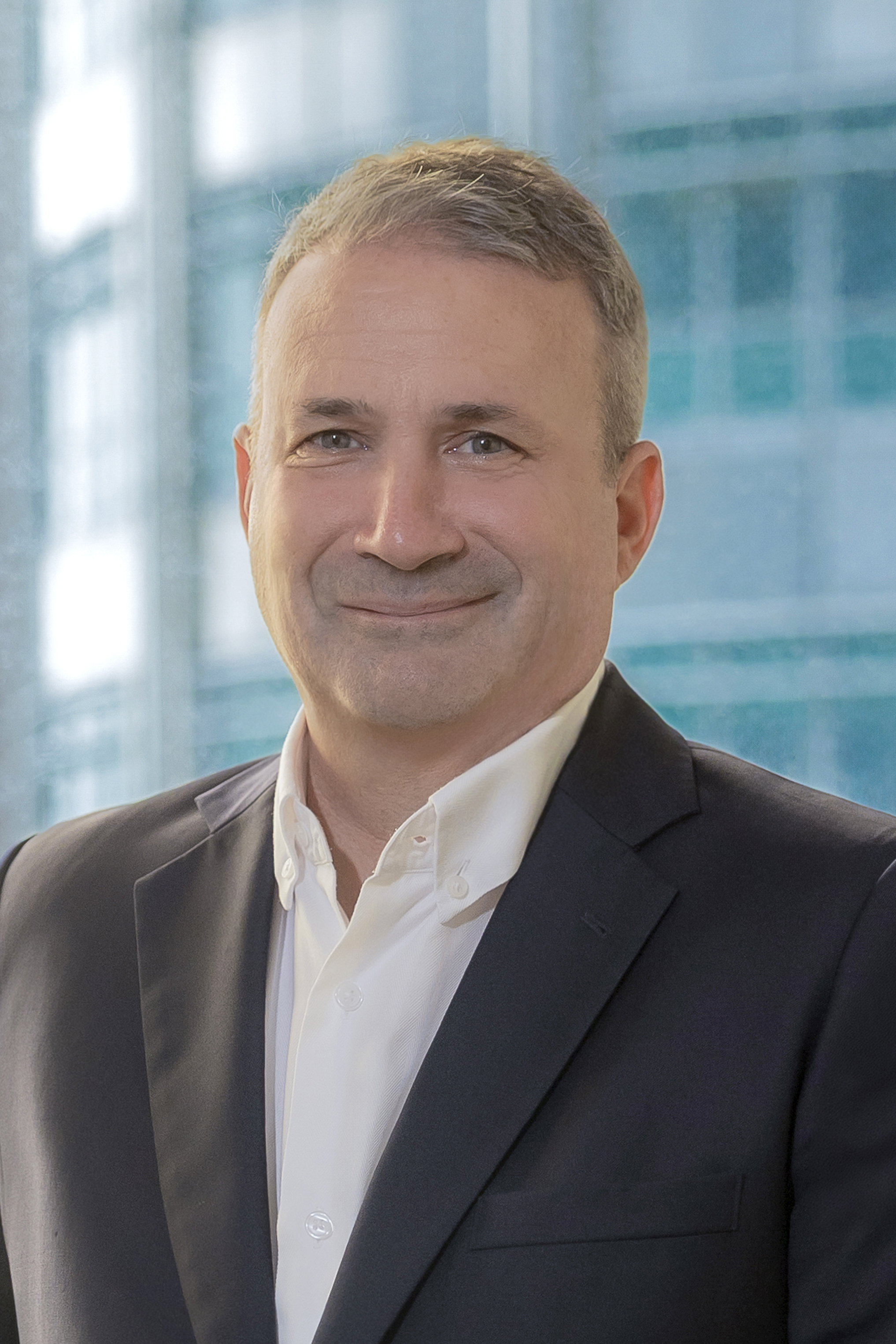
Eric Barbier

Eric Barbier

Featured
Founder & CEO, Triple-ATriple-ATriple-A
Global October 16, 2026 10 min readBy Bitnxt Editorial Team

Eric Barbier, Founder & CEO of Triple-A, the licensed stablecoin payment institution, on why stablecoins won't replace SWIFT, how big payment networks are accelerating adoption, protecting merchants from volatility, and why compliance starts with the CEO.

PaymentsFoundersStablecoinsTax & Compliance
Crypto Payment GatewaysTriple-AStablecoinsPaymentsRegulation

Biography

Eric Barbier is the Founder and CEO of Triple-A, a global payment institution licensed in the United States, Europe, and Singapore that specializes in stablecoin-based payment solutions for businesses worldwide.

With 20+ years of experience in mobile and payments, he also founded Mobile 365 (acquired by SAP) and the cross-border payments platform TransferTo (now Thunes and DT One).

Interview Summary

Eric Barbier, Founder & CEO of Triple-A, the licensed stablecoin payment institution, on why stablecoins won't replace SWIFT, how big payment networks are accelerating adoption, protecting merchants from volatility, and why compliance starts with the CEO.

1

About You (The Story)

Q1.Walk us through your crypto origin story. What drew you into payments specifically?

I've spent over 20 years working in payments, building companies including Mobile 365 and TransferTo, which is now Thunes and DT One. I discovered crypto through my own engineers, who were mining Bitcoin. Having spent years dealing with the inefficiencies of international payments, I immediately saw the potential of blockchain to solve some very real problems.

Q2.What insight made you say, "I need to build a crypto payment gateway"?

Initially, it was the problem of fraud and chargebacks. Merchants selling internationally, particularly digital goods, were losing significant revenue to payment disputes. Blockchain transactions offered a way to eliminate chargebacks. That was the starting point for Triple-A, although the opportunity has since grown far beyond merchant acceptance.

2

Your Company (The Problem & Vision)

Q1.Tell us about your company. What is the payment problem you're solving?

International payments still pass through multiple intermediaries, depend on banking hours and carry high settlement costs. Having built traditional payment infrastructure myself, I know those limitations very well. Triple-A addresses them by moving money over stablecoin rails, which settle in minutes, operate 24/7 and remove much of the cost of correspondent banking. Today we help over 1,000 businesses accept payments, make payouts and manage their treasury across borders.

Q2.Who's your ideal merchant, and which industries are adopting crypto payments fastest?

Our ideal client is a business selling across borders at scale, from global enterprises to fast-growing digital brands, that wants to reach more customers and settle faster without holding digital assets itself. Among digital currency payments, stablecoins are where we see the fastest adoption, particularly in gaming, luxury retail, travel and digital services. International shoppers in these sectors often face card declines or limited access to local payment methods, so stablecoins give them another way to pay and help businesses capture sales they would otherwise lose.

Q3.What made you think, "This is actually working"?

Seeing global brands like Grab, Wego and Farfetch integrate stablecoin payments into their operations was a major milestone. With Farfetch, for example, customers paying in stablecoins have an average order value 56% higher than customers paying in USD. When you can demonstrate measurable commercial results, adoption becomes a business decision rather than an experiment.

3

Industry Trends (The Bold Takes)

Q1.What trend in crypto payments are most people wrong about right now?

That stablecoins will kill SWIFT and replace traditional payment networks. I don't believe that. My estimate is that stablecoins could eventually account for 15–20% of cross-border payments, which is already enormous. Systems like SEPA Instant, UPI and Pix work extremely well. The future is about connecting these networks with stablecoin rails, and creating a more efficient global payment ecosystem.

Q2.Visa, Mastercard, Stripe, and banks are all launching stablecoin products. Is that a threat or a tailwind for you?

It’s a massive accelerator. When the world's largest payment networks and financial institutions embrace stablecoins, it signals a fundamental shift in how money moves. This accelerates adoption and creates enormous opportunities for companies like Triple-A, which already have the regulated infrastructure to connect stablecoins with traditional finance.

4

Products & Strategy (The Direction)

Q1.What are you building now that excites you most, and why?

I'm particularly excited about connecting stablecoin infrastructure with traditional banking and local payment networks. Imagine a business collecting payments in one country, managing its treasury in another, and paying suppliers globally — all through a single platform. That's the direction we're building towards.

Q2.Which feature — checkout, invoices, mass payouts, recurring payments, or auto-conversion — has grown faster than you expected?

Global payouts are an increasingly significant opportunity. Once businesses understand that stablecoins can move money across borders in minutes, they start looking beyond just customer payments. The natural next step is using stablecoins to pay international suppliers, freelancers and partners, especially in markets where traditional banking is slow or expensive.

Q3.How do you protect merchants from crypto price volatility?

Most businesses, especially the enterprise clients we work with, don't want digital currency exposure on their balance sheets. With Triple-A, businesses can accept stablecoin and other digital currency payments while receiving settlement in their preferred local currency. We lock the exchange rate at the time of receiving the payment, so companies know exactly what they'll receive.

5

Security, Trust & Risk (The Reality)

Q1.Where do merchant funds actually sit, and how do you keep them safe?

As a licensed payment institution, we handle client funds according to the safeguarding regulations. When a customer pays in stablecoins, the funds are received into secure wallets, converted and sit in the designated trust account with a regulated safeguarding bank. Every transaction is screened and monitored, and security and compliance are built into each step of the payment flow.

Q2.What's the biggest security misconception merchants have about accepting crypto?

That blockchain transactions are inherently risky. In reality, the biggest risks usually sit around the transaction rather than in it: weak controls, poor wallet screening and unreliable counterparties. Blockchain provides transparency and traceability, but businesses still need robust compliance and security infrastructure around it.

6

Regulation & Compliance (The Pragmatism)

Q1.How has regulation shaped where and how you operate?

When I started Triple-A, much of the crypto industry saw regulation as something to avoid. I took the opposite approach. My goal was always to build a regulated payment institution that uses blockchain technology. That decision has shaped our expansion across Singapore, Europe, the US, and other markets. As major financial institutions enter the space, being regulated has become a real competitive advantage.

Q2.How do you balance AML/KYC requirements with fast, low-friction merchant onboarding?

Compliance is part of the Triple-A product, so it needs to be built into the customer experience. Wherever possible, we automate checks and take a risk-based approach, while maintaining the standards regulators demand. If a company cuts corners on compliance, it might save some time initially, but it can put the entire business at risk.

7

AI & Emerging Tech (The Future)

Q1.AI agents paying and getting paid in crypto — real near-term use case or hype?

I see genuine potential. AI agents will increasingly need to pay for services, data and computing resources autonomously. Stablecoins are a natural fit because they're programmable, global, and available 24/7. But we still need clear rules around authorisation, accountability, and compliance before this can scale.

8

Failures & Lessons (The Wisdom)

Q1.What's the biggest mistake you've made in building your company — and what did you learn?

One of my biggest mistakes was delegating compliance too early when I was building my first regulated business. I assumed I could hire a Chief Compliance Officer and leave it to them, just like I would with other functions. I quickly learnt that compliance starts with the CEO. You need to understand the risks, processes, and regulatory requirements yourself. My lesson: compliance is too important to delegate without fully understanding it.

9

Advice & Influence (The Mentorship)

Q1.What's the one thing a business should check before choosing a crypto payment gateway?

Regulatory status. Make sure your provider is properly licensed and can reliably settle funds in the currencies and markets your business needs.

10

Looking Forward (The Vision)

Q1.Where do you see your company in the next 5 years?

I believe stablecoins will become a standard part of global payment infrastructure. My ambition is for Triple-A to be one of the key institutions making that possible, and connecting digital currencies with local payment networks worldwide. Ultimately, businesses shouldn't have to think about which rails their money travels on.

Q2.What's your message for the Bitnxt community?

Look beyond the technology and focus on the real problems. The biggest opportunities in stablecoins are in making payments cheaper, faster and more accessible. That's where I believe the next wave of adoption will come from.

Q3.Where can our readers find you and your company?

Visit triple-a.io or connect with me on LinkedIn or X.com.

Key Takeaways

  • Triple-A began by solving fraud and chargebacks for international merchants and now helps 1,000+ businesses accept payments, make payouts and manage treasury across borders.
  • Stablecoins won't replace SWIFT, but could reach 15–20% of cross-border payments by connecting with networks like SEPA Instant, UPI and Pix.
  • Farfetch customers paying in stablecoins show a 56% higher average order value than those paying in USD.
  • Merchants avoid volatility because Triple-A locks the exchange rate on receipt and settles in local currency.
  • Before choosing a crypto payment gateway, check its regulatory status and settlement capabilities.

Rapid Fire Round

Q

Bitcoin or stablecoins for everyday payments?

Stablecoins

Q

USDT or USDC?

USDC

Q

Custodial or non-custodial?

Self-custody for the largest players, regulated custody for everyone else

Q

Settle in crypto or convert to fiat?

Settle local currency to your bank account

Q

One word to describe the future of payments?

Borderless

Resources Mentioned

  • https://triple-a.io
By Bitnxt Editorial TeamLast updated Oct 16, 2026

Want to be featured on Bitnxt?

Share your crypto journey, startup, product, investment insights, trading strategies, or blockchain innovation with thousands of readers worldwide.

  • Increase brand visibility
  • Build authority & credibility
  • Improve SEO with a permanent interview page
  • Reach crypto investors
  • Connect with potential partners
  • Showcase your products & innovations
  • Share your founder's vision
  • Reach media & journalists
  • Attract new customers
  • Grow your community
  • Build your personal brand
  • Gain long-term organic exposure