





























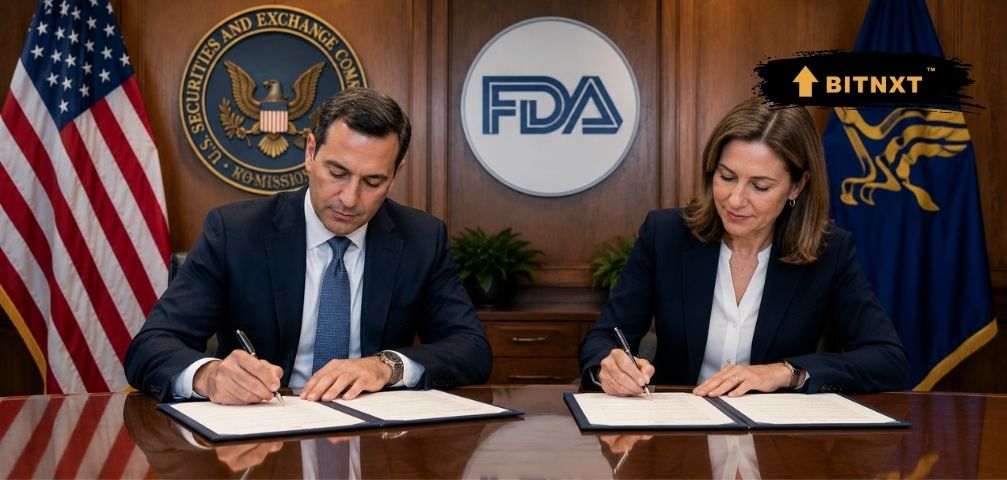
The SEC and FDA signed a three-year cooperation agreement on Aug. 31 that gives the agencies formal channels for exchanging nonpublic information about regulated products, public companies and potential legal violations.
Cooperation Targets Conflicting Disclosures
The MOU allows the Securities and Exchange Commission to use information obtained from the Food and Drug Administration during company filing reviews, enforcement investigations, administrative proceedings and civil actions. Public biotechnology, pharmaceutical, medical device and healthcare companies frequently release information about clinical trials, FDA submissions, regulatory reviews and product approvals. Those announcements can move stock prices because they affect a product's commercial prospects. The SEC reviews whether public companies provide complete and accurate information to investors. The FDA separately receives regulatory submissions, trial information and safety data that may not yet be public. Better coordination could help the SEC identify inconsistencies between corporate disclosures and regulatory records.
Nonpublic Records Receive Confidentiality Safeguards
Each agency will establish a mechanism for receiving information requests and transferring nonpublic material securely. Requests must describe the information sought, explain its intended use and carry authorization from the requesting office. The SEC will appoint contacts from its Division of Enforcement and Division of Corporation Finance. The FDA will appoint contacts from its Office of the Chief Counsel and Office of Inspections and Investigations. The FDA chief counsel's office will also lead referrals involving potential securities violations. The MOU permits the FDA to share records that may otherwise be exempt from public disclosure, subject to federal restrictions covering trade secrets and confidential commercial information. The SEC cannot provide FDA information to an outside party without written FDA permission.
SEC Chairman Cites Material Market Impact
SEC Chairman Paul Atkins said FDA-related disclosures can materially affect financial markets. Acting FDA Commissioner Kyle Diamantas said faster information sharing should improve transparency across the life sciences sector while protecting patients and public trust. The agreement takes effect immediately and does not announce an investigation, new disclosure rule or enforcement case against any company. It instead creates procedures that could help the agencies compare corporate statements with information held by the FDA.
Agreement Strengthens Existing Enforcement Tools
The MOU does not give either regulator new statutory powers. Instead, it organizes how the agencies use their existing authority and establishes designated contacts to reduce delays when information is needed. For the SEC, the most direct use may involve checking statements in earnings releases, securities filings or investor presentations against FDA records. If those statements appear materially false or incomplete, the information could support further questions, a filing review or an enforcement investigation. The same disclosure principle remains relevant across the SEC's wider jurisdiction, including its proposed crypto offering exemptions that retain antifraud liability when issuers make materially misleading statements.
Both Agencies Can Modify or End the Agreement
The SEC and FDA may extend or modify the agreement through mutual written consent. Either agency may terminate it by providing 30 days' advance notice. Implementation remains subject to available staff, funding and other resources. The document states that it represents the agencies' intentions and does not create legally enforceable obligations against either regulator. The next step is operational, with both agencies maintaining designated contacts and potentially developing standard procedures for handling nonpublic information requests. The MOU will expire in August 2029 unless the agencies extend it. Its practical reach will depend on how frequently regulators use the new channels during filing reviews and investigations.


